Image



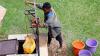
A large share of the world’s population still lacks access to essential services such as electricity, clean water and safe sanitation. This not only affects daily living conditions but also people’s ability to pursue economic opportunities and improve their well-being. Inclusive finance can help fill this gap by making high-quality, basic services more affordable for vulnerable households, even where public infrastructure or investment is limited.
ADA’s early efforts focused on helping microfinance institutions develop loan products that enable households to purchase items such as solar equipment or sanitation facilities. While this met some individual needs, the approach remained limited in scale and did not fully address the structural challenges that prevent widespread access to basic services. In response, ADA has broadened its strategy to strengthen entire local value chains for the supply of water and energy.
Nowadays, ADA supports private providers of local basic services, such as operators of mini solar grids or private water suppliers, helping them expand sustainably through tailored financial and non-financial support. At the same time, ADA assists the end users of these services - households using the services for domestic purposes but also for micro and small businesses - by combining entrepreneurial support and appropriate financing with awareness-raising on sustainable practices. This integrated approach helps stimulate demand for basic services while contributing to broader community development.
The impact report identifies the following lessons learned from ADA’s programmes that address the needs of vulnerable households:
Further information can be found in the impact report, which also analyses water access project in Cambodia as well as projects for improving access to energy-efficient or solar-powered equipment in Bangladesh and Senegal in detail.
Further information on how ADA facilitates access to basic services